Reaching readers beyond language barriers is no longer a luxury for authors who want lasting impact. Arabic book translation plays a crucial role in connecting stories with millions of readers across the Middle East and North Africa. It allows writers to present their ideas. Also, narratives and expertise to a culturally rich and diverse audience that values literature in its native language. By adapting content thoughtfully, authors can ensure their message remains authentic while becoming more accessible. This process not only increases visibility but also strengthens credibility in international markets. As demand for Arabic content continues to grow, translation becomes a powerful step toward expanding readership. Building meaningful global connections.
Why Arabic Translation Is Essential for Market Growth
Expanding into new regions requires more than just distributing a book globally. It demands meaningful communication with readers in their preferred language. Arabic book translation becomes a key factor in unlocking access to fast-growing markets across the Middle East and North Africa, where readership continues to rise. By presenting content in Arabic, authors position themselves to connect with audiences who value culturally relevant and linguistically accurate material. This approach not only increases visibility but also enhances reader trust and engagement. Publishers and independent writers alike benefit from tapping into a market that actively consumes literature in various genres. As competition grows internationally, translated works gain a stronger presence and stand a better chance of success. Investing in quality translation ultimately supports long-term growth by opening doors to new opportunities. Partnerships and a wider, more diverse audience base.
Reaching Millions of Arabic-Speaking Readers Worldwide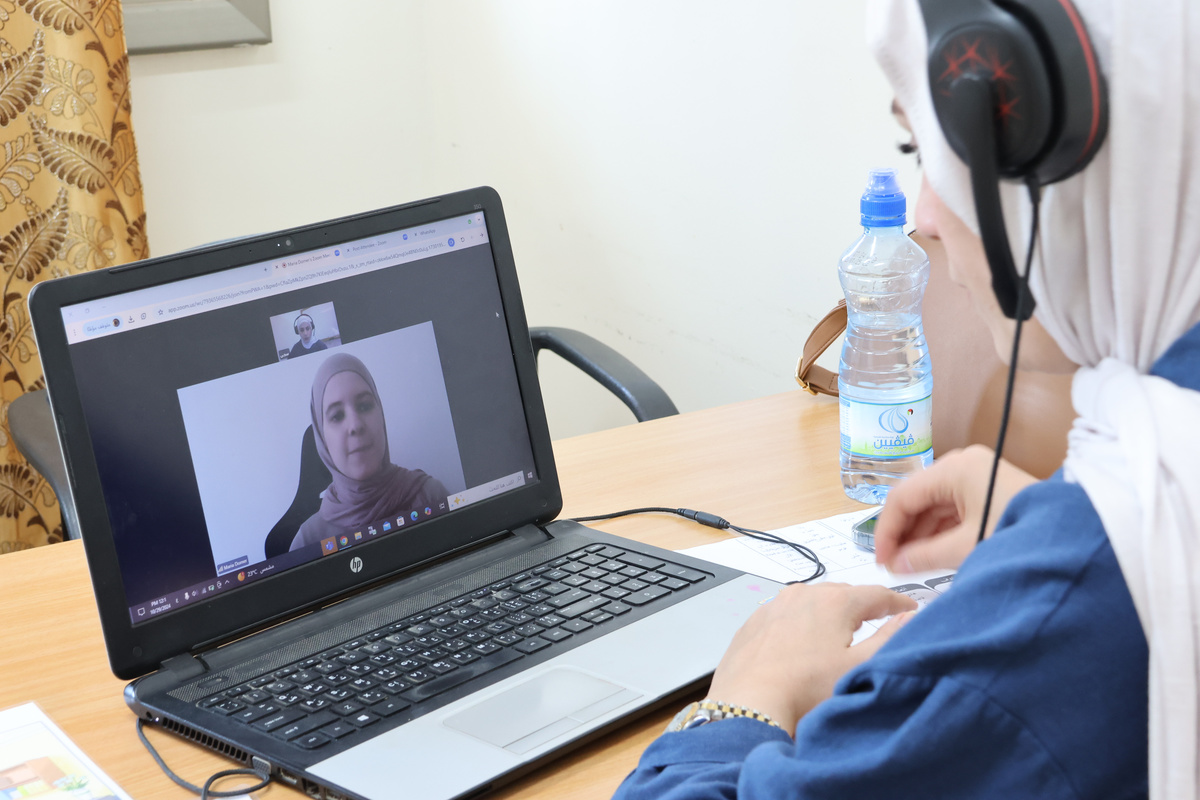
Connecting with a vast audience requires more than availability; it depends on relevance and clarity. Arabic book translation enables authors to reach millions of readers across regions. Where Arabic is the primary language of communication and cultural expression. From the Gulf to North Africa, readers actively seek content that reflects their language and values. By offering books in Arabic, writers remove barriers that often limit engagement and understanding. This approach allows stories, knowledge, and ideas to resonate more deeply, creating stronger reader relationships. It also increases the chances of word-of-mouth growth, which plays a significant role in expanding readership. As more readers discover accessible content, authors gain broader recognition and stronger market positioning. Consistent efforts in translation contribute to long-term visibility, helping books travel beyond borders and connect with diverse communities worldwide.
How Translation Builds Cross-Cultural Connections
Stories have the power to connect people, but language often stands in the way of that connection. Arabic book translation helps bridge this gap by transforming content into a form that resonates with different cultural perspectives. It allows readers to engage with ideas, emotions, and narratives. It may have originally been created in a completely different setting. By adapting tone, context, and expressions carefully, translation ensures that the essence of the original work remains intact while becoming relatable to a new audience. This process fosters mutual understanding and appreciation between cultures, encouraging readers to explore viewpoints beyond their own experiences. As connections grow, authors gain recognition not just for their writing but for their ability to communicate across borders. Over time, this cultural exchange strengthens global readership and builds lasting relationships between writers and diverse communities.
Arabic Translation as a Gateway to New Markets
Expanding into untapped regions requires more than distribution; it requires accessibility and relevance. Arabic book translation serves as a direct pathway for authors. Who is aiming to enter emerging markets where demand for localized content continues to rise. By presenting work in Arabic, writers make it easier for readers to engage without language limitations, increasing both interest and trust. This approach opens doors to countries with strong publishing industries and growing digital readership. It also creates opportunities for partnerships with regional publishers, retailers, and online platforms. As visibility improves, authors gain a competitive edge in markets that value culturally aligned content. Over time, consistent translation efforts help establish a recognizable presence, allowing books to perform better commercially. Entering new markets through translation is not just about reach; it is about building sustainable growth and connecting with audiences that might otherwise remain out of reach.
The Importance of Cultural Sensitivity in Translation
Effective communication across languages depends heavily on understanding cultural context, not just translating words. Arabic book translation requires careful attention to traditions, values, and social norms to ensure the content feels natural and respectful to its audience. A direct, word-for-word approach can often lead to misunderstandings or loss of meaning, which may weaken the reader’s connection to the material. By adapting expressions, references, and tone, translators help preserve the original intent while aligning it with cultural expectations. This level of sensitivity enhances credibility and allows readers to engage more comfortably with the content. Authors who prioritize cultural awareness are more likely to build trust and establish a strong presence in Arabic-speaking markets. In the long run, thoughtful translation supports deeper engagement, encourages positive reception, and strengthens the overall impact of a book across diverse audiences.
Arabic Publishing Markets and Their Growth Potential
The publishing industry across Arabic-speaking regions has shown consistent expansion, driven by rising literacy rates, digital adoption, and increased demand for diverse content. Arabic book translation plays a key role in helping authors tap into this growing ecosystem by making their work accessible to a broader audience. As more readers seek quality literature in their native language, opportunities for translated works continue to increase across both print and digital platforms.
Key growth factors include:
- • Expanding eBook and online reading platforms
- • Strong demand for fiction and educational content
- • Government support for cultural and literary development
- • Increasing interest in international authors
By entering these markets through translation, writers can position themselves in a competitive yet rewarding environment. Over time, this leads to stronger visibility, higher readership engagement, and improved commercial performance in regions that actively embrace global literature.
How Book Writing Services Support High-Quality Arabic Translations
Creating a strong foundation for translation begins long before the actual language conversion takes place. Book writing services help authors structure their content clearly, ensuring that ideas are well-organized, coherent, and easy to adapt into another language. When a manuscript is professionally written, it reduces ambiguity and improves the accuracy of Arabic book translation
, allowing translators to preserve meaning with greater precision. Clear storytelling, consistent tone, and refined language all contribute to smoother translation outcomes. These services also help eliminate unnecessary complexity that could create challenges during adaptation. As a result, the final translated work feels natural and engaging to Arabic readers while staying true to the original message. By combining strong writing support with translation efforts, authors increase the overall quality of their work and improve its chances of success in international markets.
The Role of Book Writing Services in Preparing Manuscripts for Translation
A well-prepared manuscript is the foundation of any successful translation project. book writing services play a vital role in shaping raw ideas into structured, polished content that is easier to adapt into another language. They focus on clarity, flow, and consistency, which helps ensure that the original message remains intact during the translation process. When a manuscript is properly developed, it reduces confusion, minimizes rewriting during adaptation, and supports a more accurate linguistic transfer. This preparation stage also helps identify areas that may require simplification or refinement before conversion into Arabic. As a result, translators can focus on preserving meaning rather than correcting structural issues. Strong manuscript preparation ultimately improves readability, enhances quality, and ensures the final translated version connects effectively with its target audience while maintaining the author’s original intent and style.
Why Authors Work with speech writers for hire for Multilingual Content
Expanding content for global audiences often requires careful adaptation of tone, style, and messaging to suit different languages and cultures. speech writers for hire help authors craft well-structured narratives that are easier to adapt into multilingual formats, including Arabic book translation
. Their expertise lies in shaping ideas into clear, engaging content that maintains consistency across different versions. This ensures that when the material is translated, the core message remains strong and aligned with the author’s intent. Professional speech writers also focus on clarity and flow, which reduces the risk of misinterpretation during translation. By refining content before it reaches the translation stage, they help create a smoother and more accurate multilingual adaptation process. As a result, authors can confidently expand their reach, knowing their work is prepared to connect with diverse audiences while maintaining quality, coherence, and cultural relevance across languages.
How Speech Writers for Hire Help Adapt Content for Arabic Audiences
Adapting content for Arabic audiences requires more than direct language conversion; it involves reshaping tone, structure, and expression to match cultural expectations. Speech writers for hire assist authors by refining original material so it aligns better with audience preferences before the Arabic book translation process begins. They focus on making content more conversational, clear, and culturally appropriate, ensuring that the message feels natural when delivered to Arabic readers. This preparation helps avoid misunderstandings and improves emotional connection with the audience. By adjusting phrasing and simplifying complex ideas, speech writers create a stronger foundation for translators to work with. The result is content that maintains its original intent while becoming more engaging and relatable in Arabic. This collaborative approach enhances readability, strengthens audience impact, and ensures that the final translated work communicates effectively across different cultural contexts without losing its authenticity or meaning.
Expanding Reach with Spanish book translation Alongside Arabic Editions
Expanding a book’s reach across multiple language markets significantly increases its global potential. Alongside Arabic book translation
, many authors also invest in Spanish book translation to connect with another of the world’s largest reader bases. Spanish-speaking regions span across Europe, Latin America, and the United States, offering diverse opportunities for visibility and engagement. When both Arabic and Spanish editions are available, authors can position their work in two powerful linguistic markets simultaneously. This dual approach helps build stronger international recognition and increases the chances of cross-regional readership. It also allows books to perform well in different cultural environments while maintaining their core message. By targeting multiple language audiences, writers can maximize exposure, improve sales potential, and create a more sustainable publishing presence. Expanding into both markets ensures that content reaches readers who value literature in their native language.
Combining Arabic and Spanish Book Translation for Global Market Coverage
Reaching a truly global audience often requires strategic multilingual planning rather than focusing on a single region. Combining Arabic book translation with Spanish book translation allows authors to cover two of the most widely spoken language groups across different continents. This approach significantly expands readership potential by targeting both Middle Eastern, North African, European, and Latin American markets. Each translation opens access to distinct cultural audiences, increasing the book’s visibility and long-term relevance. By offering content in both languages, authors strengthen their international publishing profile and improve engagement across diverse reader communities. This strategy also enhances discoverability on global platforms, where multilingual availability often leads to higher reach and interaction. Ultimately, combining these translations supports broader distribution, stronger branding, and sustained growth in the competitive global publishing landscape while ensuring the message resonates across multiple cultural contexts.
How Wikipedia Writing Services Improve Author Credibility Worldwide
Building a strong author reputation is essential when entering international markets, and digital presence plays a major role in that process. Wikipedia writing services help authors establish a structured and well-researched public profile that enhances credibility across global audiences. When readers search for an author online, a professionally crafted Wikipedia page provides verified information that builds trust and authority. This becomes especially valuable when promoting translated works such as Arabic book translation
or other multilingual editions. A strong digital identity supports visibility and reassures publishers, readers, and collaborators about the author’s authenticity and achievements. It also improves discoverability across search engines, making it easier for global audiences to learn about the writer’s background and work. Over time, this credibility contributes to stronger recognition, better publishing opportunities, and increased reader confidence in both original and translated publications.
Leveraging Wikipedia writing Services to Promote Translated Books
Promoting translated books effectively requires more than distribution; it demands strong online visibility and trust-building strategies. Wikipedia writing services help authors highlight their literary achievements, including multilingual editions such as Arabic book translation, in a credible and structured format. A well-crafted Wikipedia presence allows potential readers and publishers to quickly understand the scope of an author’s work and international reach. When translated titles are featured within a verified profile, they gain additional exposure and legitimacy in global markets. This improves discoverability across search engines and increases interest from diverse readerships. It also helps position translated books as part of a larger professional portfolio rather than standalone works. By strengthening online authority, authors can attract more attention from publishers, media outlets, and literary communities. Ultimately, leveraging Wikipedia enhances visibility and supports the long-term promotion of translated works across different languages and regions.
The Importance of Book Publishing Services in Distributing Arabic Translations
Successful distribution of translated works depends on more than just completing the manuscript; it requires effective market placement and accessibility. Book publishing services play a crucial role in ensuring that Arabic book translation
reaches the right audience through both print and digital channels. These services manage formatting, distribution networks, platform listings, and regional compliance, making it easier for authors to enter Arabic-speaking markets. By handling technical and logistical aspects, publishers allow writers to focus on content quality while ensuring wide availability. Proper publishing also increases visibility on major retail and online platforms, which directly impacts readership and sales potential. Additionally, professional distribution strategies help books gain traction in competitive markets where accessibility is key. With structured publishing support, translated works achieve better reach, stronger market performance, and sustained reader engagement across diverse Arabic-speaking regions.
How Book Publishing Services Help Authors Enter Arabic Markets
Entering Arabic-speaking regions requires more than translation; it demands proper positioning, distribution, and market understanding. book publishing services help authors successfully introduce their work into these markets by managing the entire publication process from formatting to regional distribution. They ensure that Arabic book translation is properly adapted for both print and digital platforms, meeting the expectations of local readers and retailers. These services also handle platform listings, metadata optimization, and regional publishing standards, which are essential for visibility in competitive markets. By leveraging established publishing networks, authors gain access to bookstores, online platforms, and libraries across Arabic-speaking countries. This structured approach reduces entry barriers and improves the chances of commercial success. Ultimately, professional publishing support enables writers to focus on content while ensuring their translated work reaches the right audience effectively and consistently across the region.
How to Maintain Original Tone in Arabic Book Translation
Preserving the original voice of a book is one of the most important aspects of successful adaptation. In Arabic book translation, maintaining tone requires a deep understanding of both the source material and the cultural nuances of the target language. Translators must carefully balance literal meaning with emotional intent, ensuring that humor, seriousness, or storytelling style remains consistent. Sentence structure, word choice, and rhythm all play a role in reflecting the author’s unique voice. A rigid word-for-word approach often weakens impact, so flexibility is essential to keep the narrative natural and engaging. Reviewing context rather than isolated phrases helps maintain continuity and authenticity throughout the text. Skilled translators also consider audience expectations in Arabic-speaking regions to preserve readability without losing originality. When handled correctly, the translated work feels as powerful and expressive as the original version while connecting deeply with new readers.
Conclusion
Expanding literary reach across borders depends heavily on effective communication and thoughtful adaptation. Arabic book translation plays a vital role in helping authors connect with a wider and more diverse readership while preserving the essence of their original message. It not only breaks language barriers but also creates opportunities for cultural exchange, stronger engagement, and global recognition. When executed with quality and precision, translation transforms a book into a powerful bridge between authors and new audiences. As demand for multilingual content continues to grow, investing in professional translation becomes an important step for long-term success. Ultimately, Arabic book translation supports authors in building lasting international presence and ensuring their stories, ideas, and knowledge reach readers far beyond their native language.
FAQs
What is Arabic book translation?
It is the process of converting a book from another language into Arabic while preserving meaning, tone, and cultural context.
Why is Arabic book translation important for authors?
It helps authors reach a large Arabic-speaking audience and expand their global readership.
Who should handle Arabic book translation?
Professional translators with strong language skills and cultural understanding should handle it for best results.
Does Arabic book translation affect the original tone of a book?
When done professionally, it maintains the original tone while adapting it naturally for Arabic readers.
How long does Arabic book translation take?
Time varies depending on book length, complexity, and translation quality requirements.
Can fiction and non-fiction both be translated into Arabic?
Yes, both fiction and non-fiction books can be successfully translated for Arabic audiences.
What challenges are common in Arabic book translation?
Cultural differences, idioms, and maintaining context are common challenges in translation.
Is Arabic book translation useful for self-published authors?
Yes, it helps self-published authors expand reach and increase global visibility.
How does Arabic book translation help in marketing?
It opens access to new regions, improving book exposure and sales potential.
Can Arabic book translation improve an author’s credibility?
Yes, it enhances professional reputation by making work accessible to international readers.

 admin
admin